
UK Trade Auction Terms: A Plain-English Glossary
Trade auctions use a vocabulary that assumes you already know it. Timed auction, rolling soft close, provisional bid, as seen where lying and the Additional Fees tab, explained in plain English with what each one means for the money and the paperwork.

IT and Electrical Equipment at Auction: Receiverships and Office Closures
Laptops, servers, network and print equipment reach auction from office closures and insolvency instructions. Why ownership is a harder question with IT than with machinery, why data should be erased and documented before sale, whether licences transfer, and what a mixed job lot really costs. We do not inspect the equipment, and every figure here is illustrative.
Factory Clearance and Equipment Disposition for Solvent Businesses
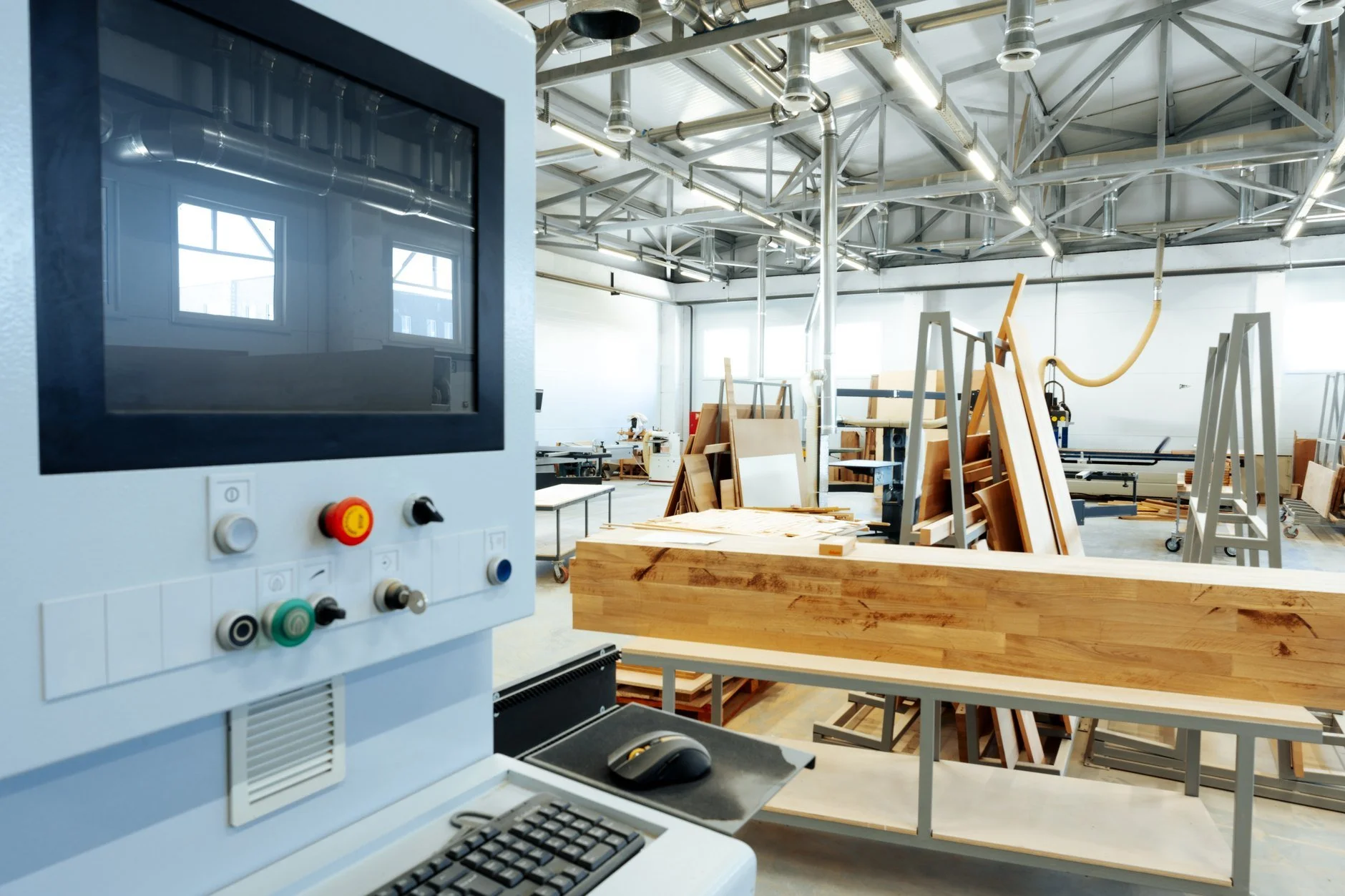
Relocations, downsizing, line replacement and lease ends can produce much the same machinery an insolvency sale would, with the difference that you control the timing. What can be sold, how a planned disposition works, when you are paid, who is responsible for disconnection and making good, and where the money goes on a lot. Every figure here is illustrative.
Ex-Lease Vans at Auction: How Contract Hire Returns Differ From Ex-Fleet
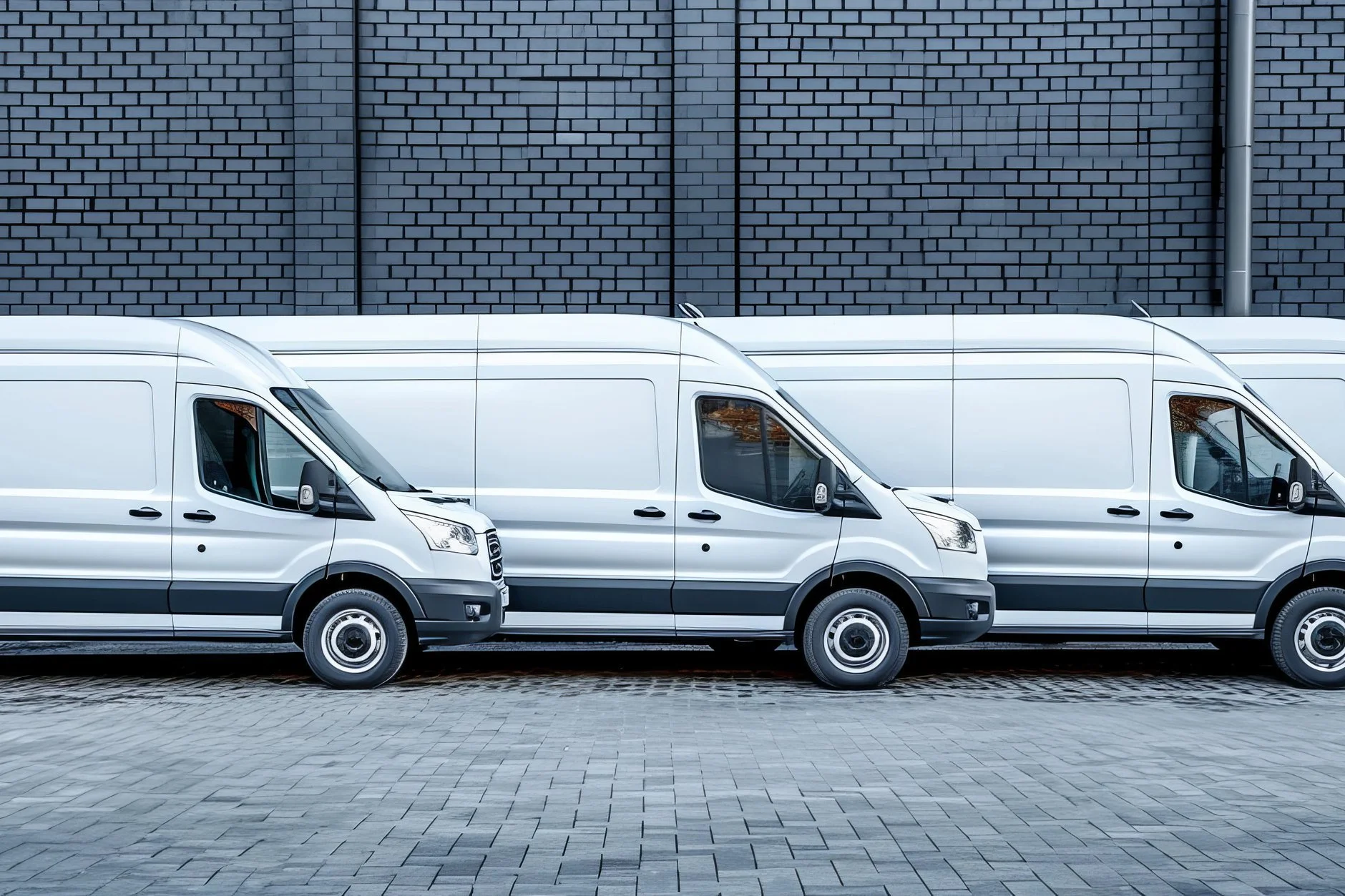
Ex-lease, ex-fleet, ex-rental and ex-demo vans look identical in a line and behave differently on paper. What a contract hire return actually is, how to read its history, and what to budget for preparation beyond the hammer price. We do not inspect the vehicles, and every figure here is illustrative.
Judging Machine Condition From Photographs When You Cannot View
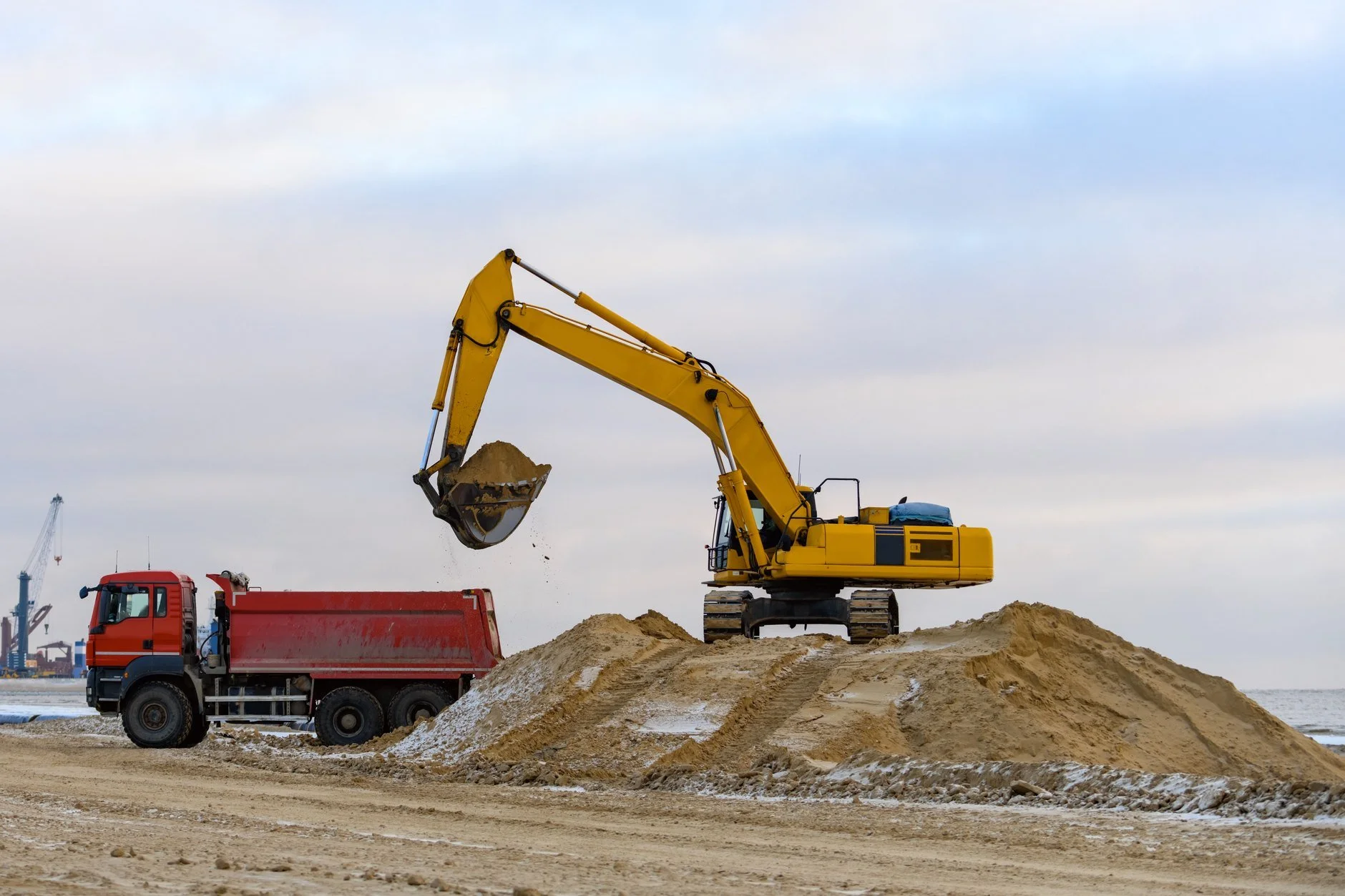
Most machinery at online auction is bought from photographs and a written description. What images can genuinely tell you about wear and tear, what they can never show, and how to turn what you cannot see into a number that comes out of your bid. We do not inspect the machinery, and every figure here is illustrative.
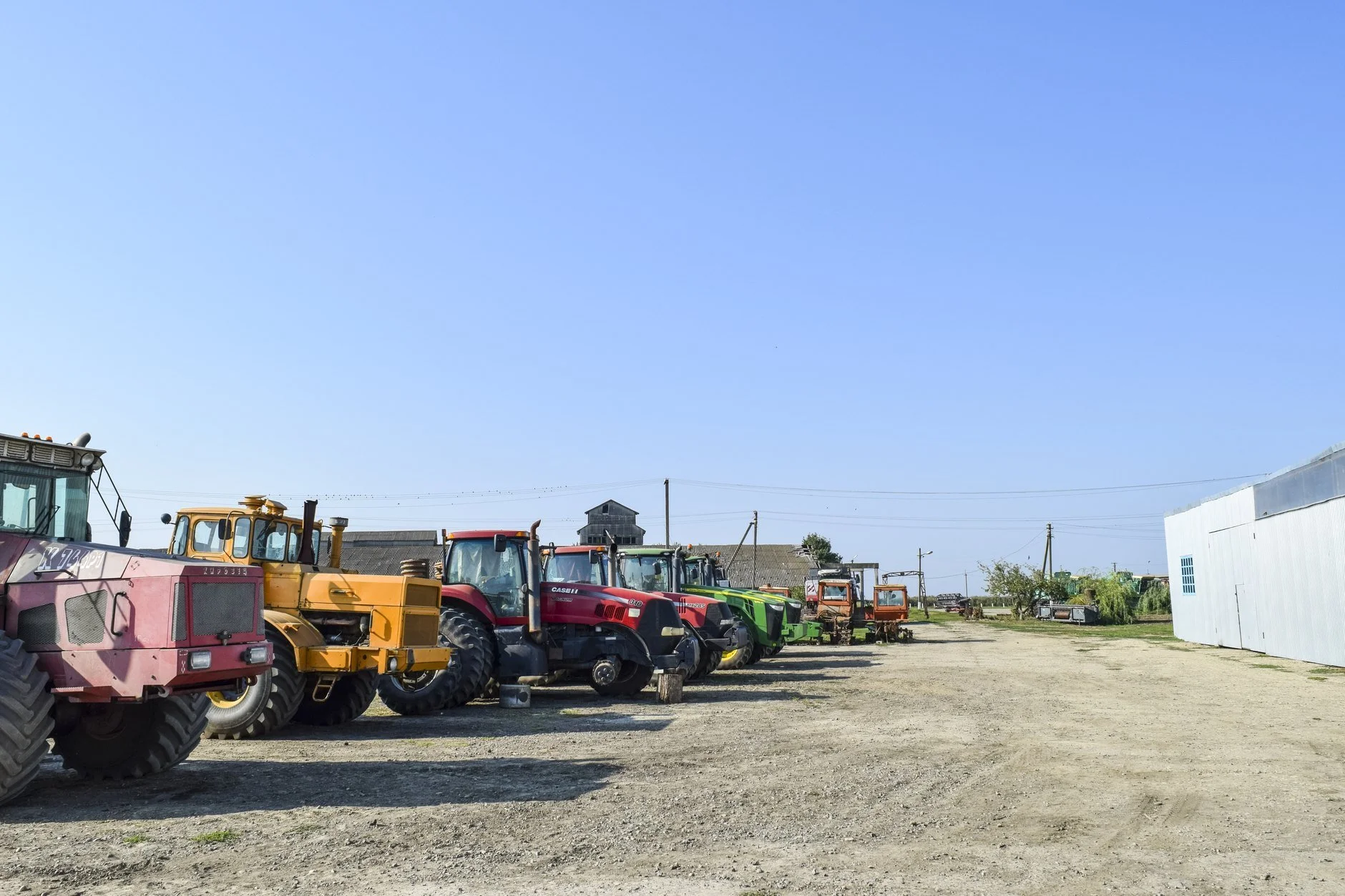
Farm Dispersal Sales: What Comes Up and How to Buy at One
A dispersal sells the whole farming operation, from the tractors down to the workshop tools, and the smaller lots are where a working farm often finds value. What comes up, how a timed online dispersal differs from a traditional sale day, and how to set a maximum bid. We do not inspect the machinery, and every figure here is illustrative.
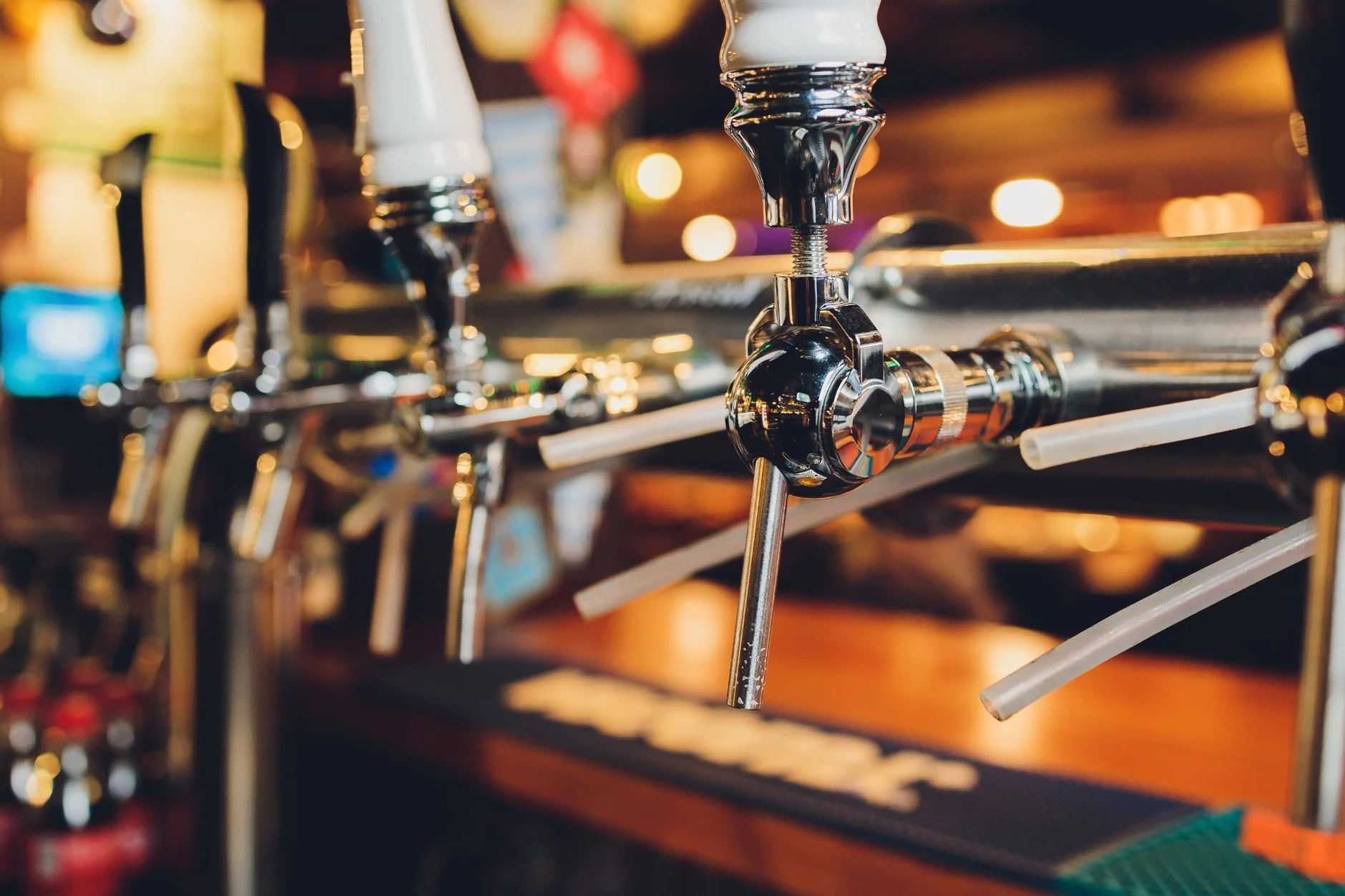
Bar and Pub Equipment at Auction: What Comes Up and What to Check
Cellar cooling, back bar refrigeration, glass washers, ice machines, tills and fixtures all reach auction when a licensed site closes or refits. Why ownership is the first question in a bar, what to check on refrigeration, and why removal costs more than people expect. We do not inspect the equipment, and every figure here is illustrative.
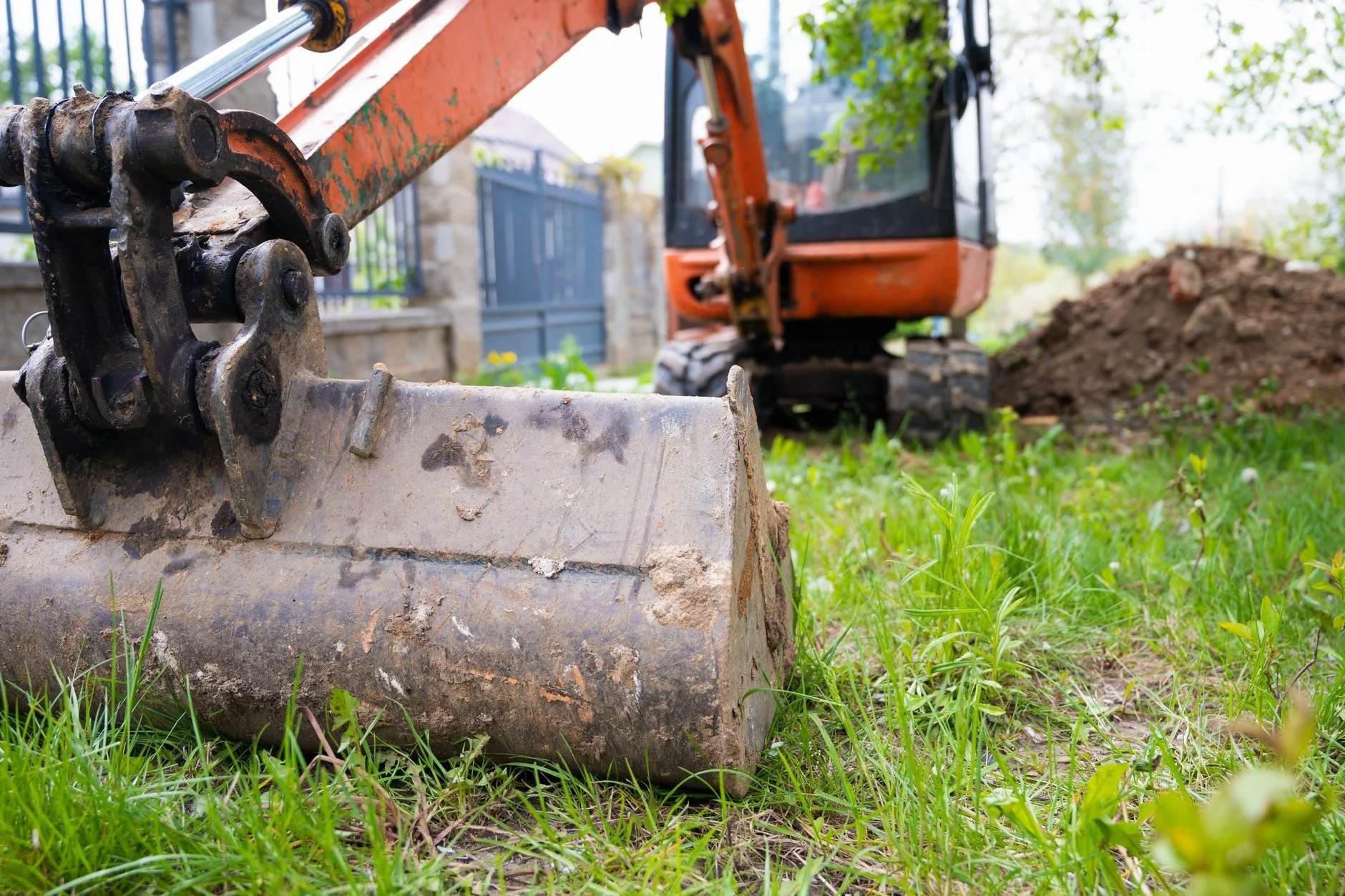
Repossessed and Finance-Recovered Plant and Machinery at Auction in the UK
Recovered plant reaches auction through asset finance, hire fleet insolvencies and secured lenders. Why title is the first question rather than condition, what can be missing from a recovered machine, and what it costs to buy and move one. We do not inspect the machinery, and every figure here is illustrative.
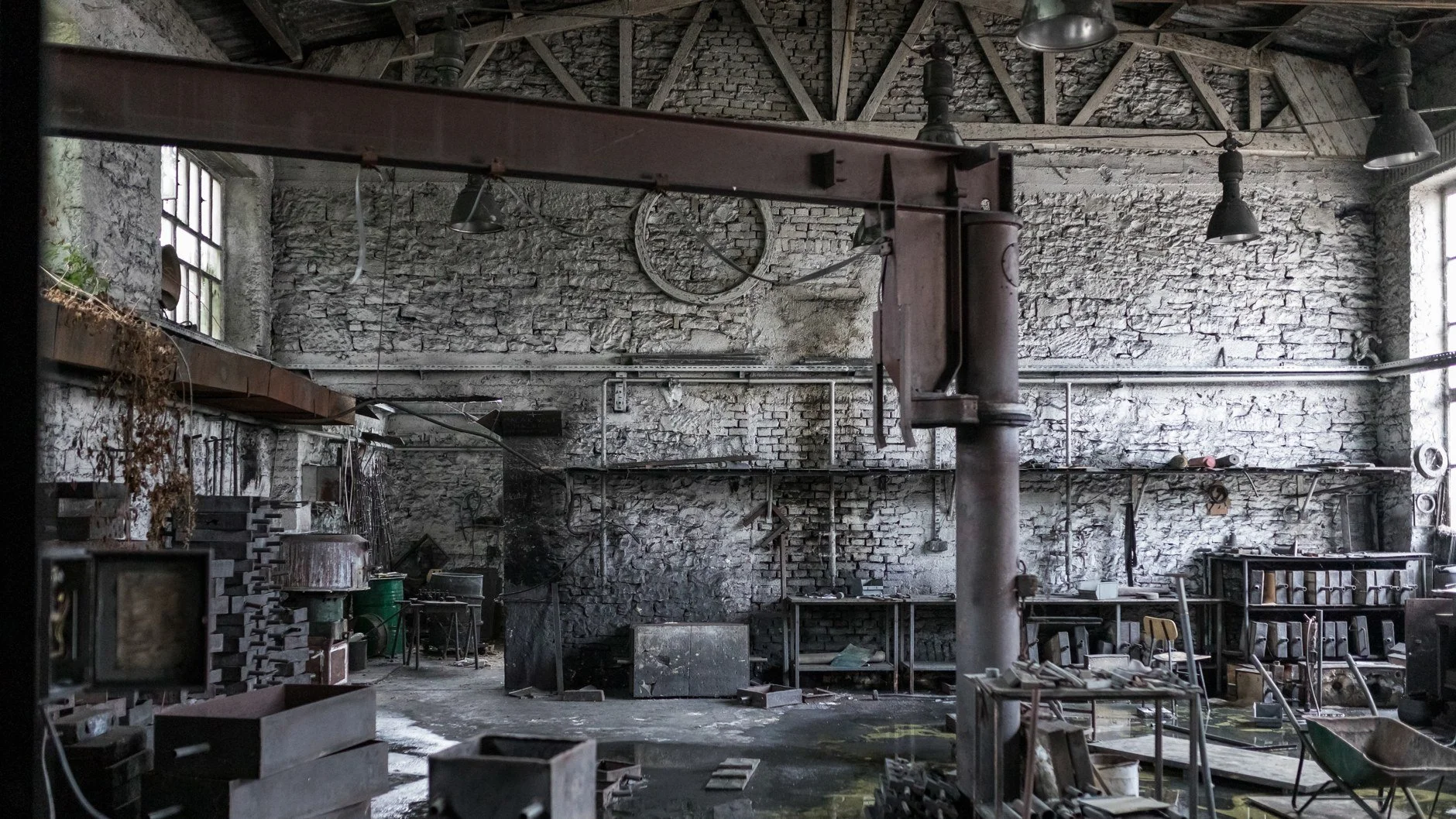
Asset Disposal in Administration and Receivership: The Seller's Process
How an office-holder takes plant, vehicles and equipment to sale: settling title and charges, discharging the duty to obtain a proper price, and building a record that stands up. Written for administrators, receivers, liquidators and the solicitors and lenders instructing them.
Buying at Auction for Resale: How Traders Find Margin
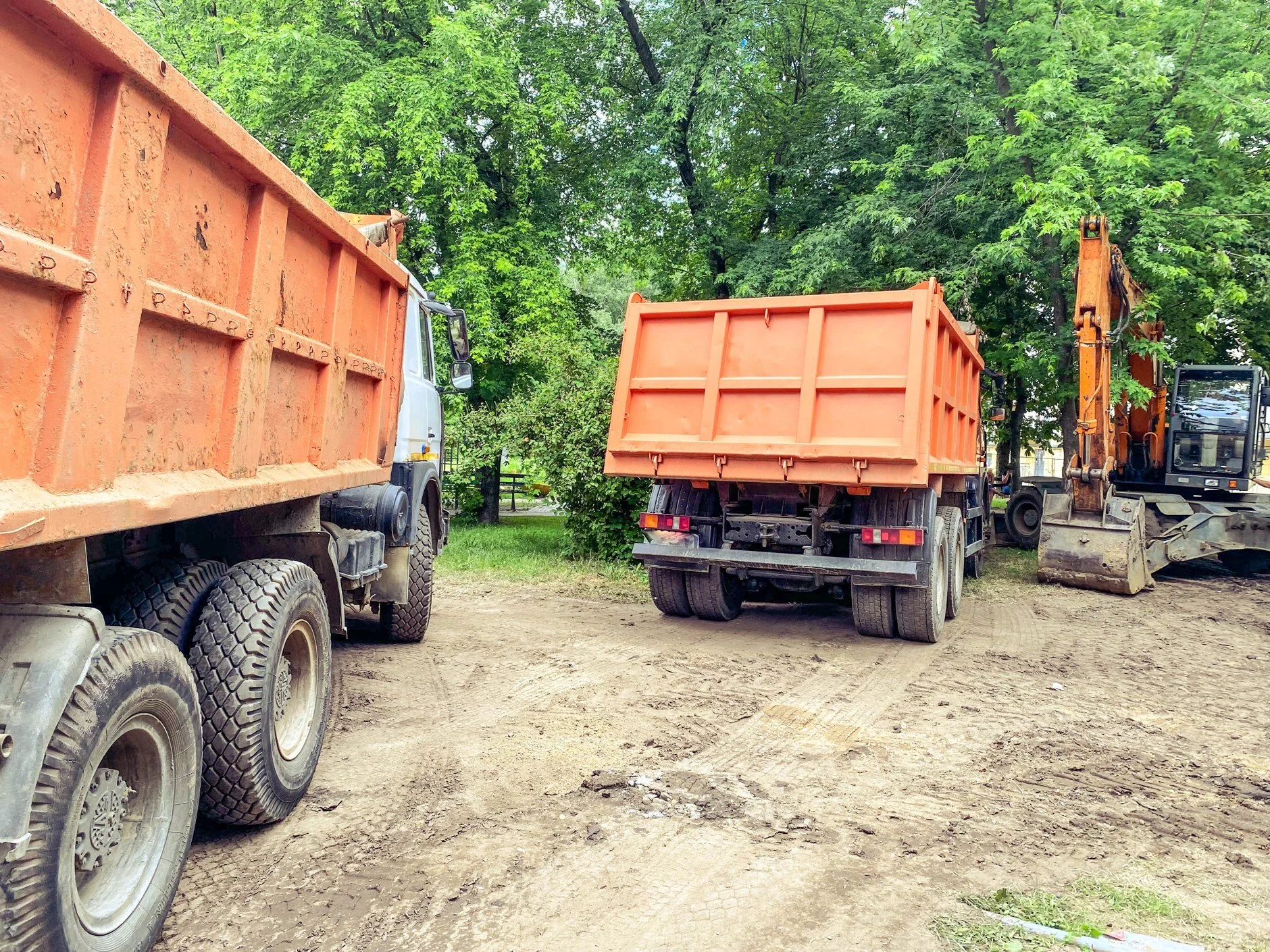
Trade buyers do not make money on the gap between hammer price and retail. They make it on landed cost, stock turn and buying where they have an edge. How the numbers actually work once the buyer's premium, the internet surcharge and VAT are in them. All figures illustrative.
Collection and Transport After You Win: Moving Vans, HGVs and Machinery
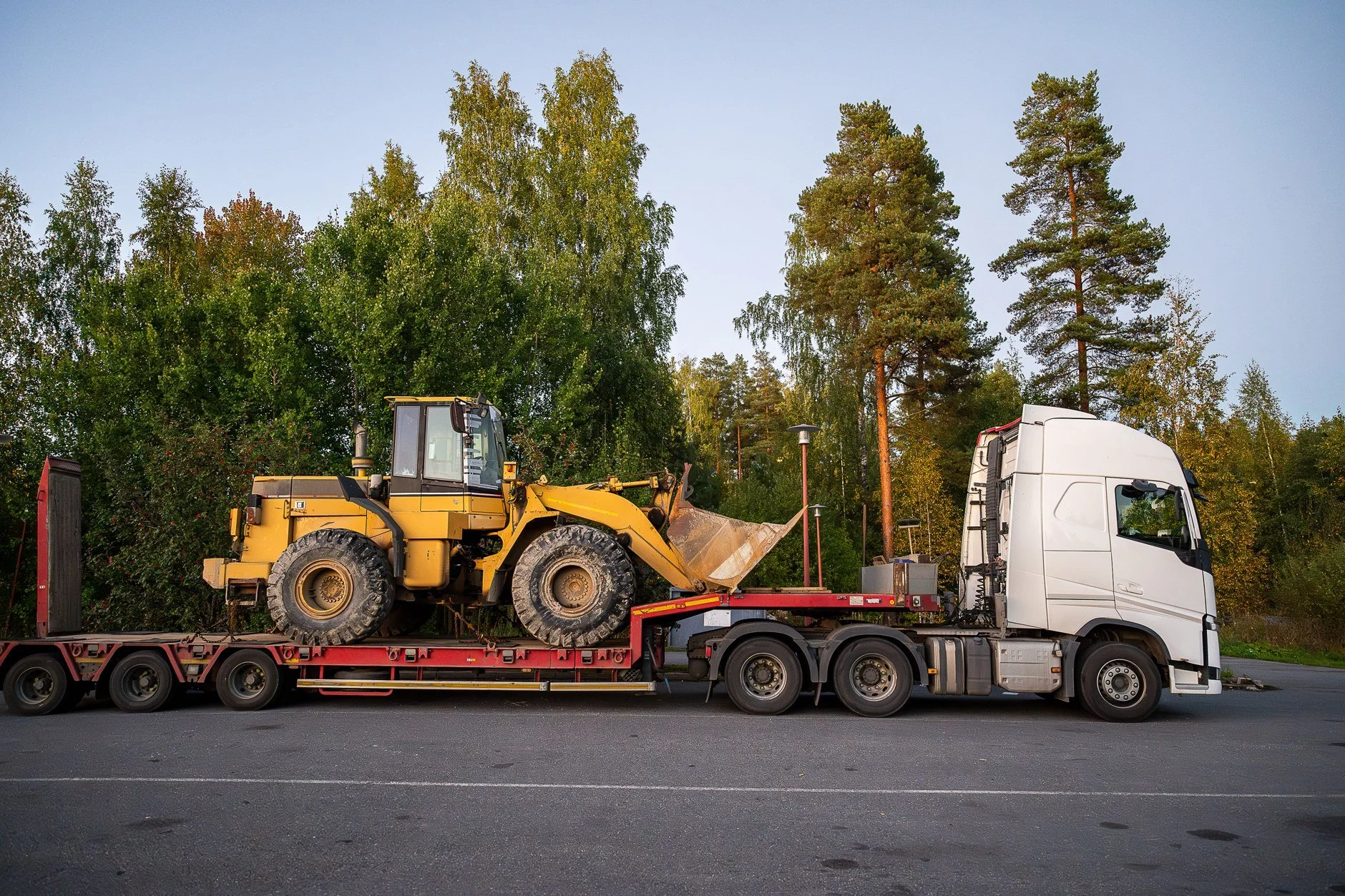
What happens between winning a lot and the asset arriving at your yard: the invoice including the buyer's premium, internet surcharge and VAT, the 24-hour bank transfer, collection by appointment from the seller's site, the storage and abandonment provisions, hauliers, abnormal loads and export. Price the move before you bid.
Ex-Fleet Vans: Reading History, Mileage and Condition from an Auction Listing
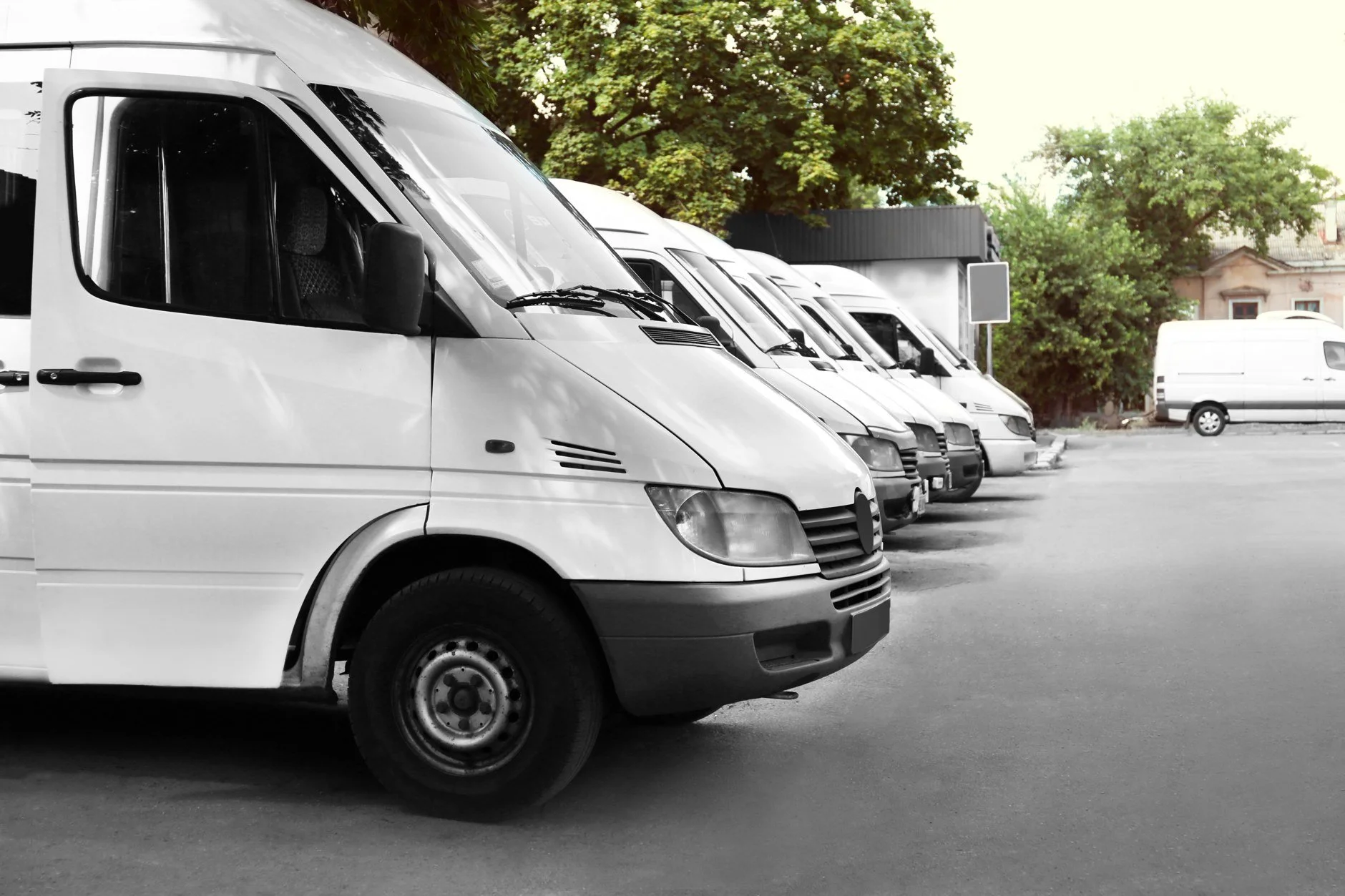
We do not inspect the vehicles and there is no condition report on an ex-fleet van lot, so the reading is yours. How to work the registration, the MOT records available through GOV.UK, the paperwork and the photographs before you bid, and how to price what the van will need alongside the buyer's premium, internet surcharge and VAT.

The Real Cost of Buying at Auction: Hammer Price, Buyer's Premium and VAT
The hammer price is where the cost starts. The full build-up on a UK trade auction purchase: buyer's premium, internet surcharge, VAT on the lot and on both charges, collection, and the work the asset needs before it earns. All percentages illustrative.

How the Rolling Soft-Close Works: Bidding at the End of a Timed Auction
Lots close at staggered published times, and a valid bid in the final 10 minutes resets that lot's countdown to ten minutes from the bid. What that means for sniping, maximum bids, reserves and provisional bids, multiple lots and the way you run closing day.
How to Value Used Plant and Machinery Before You Bid
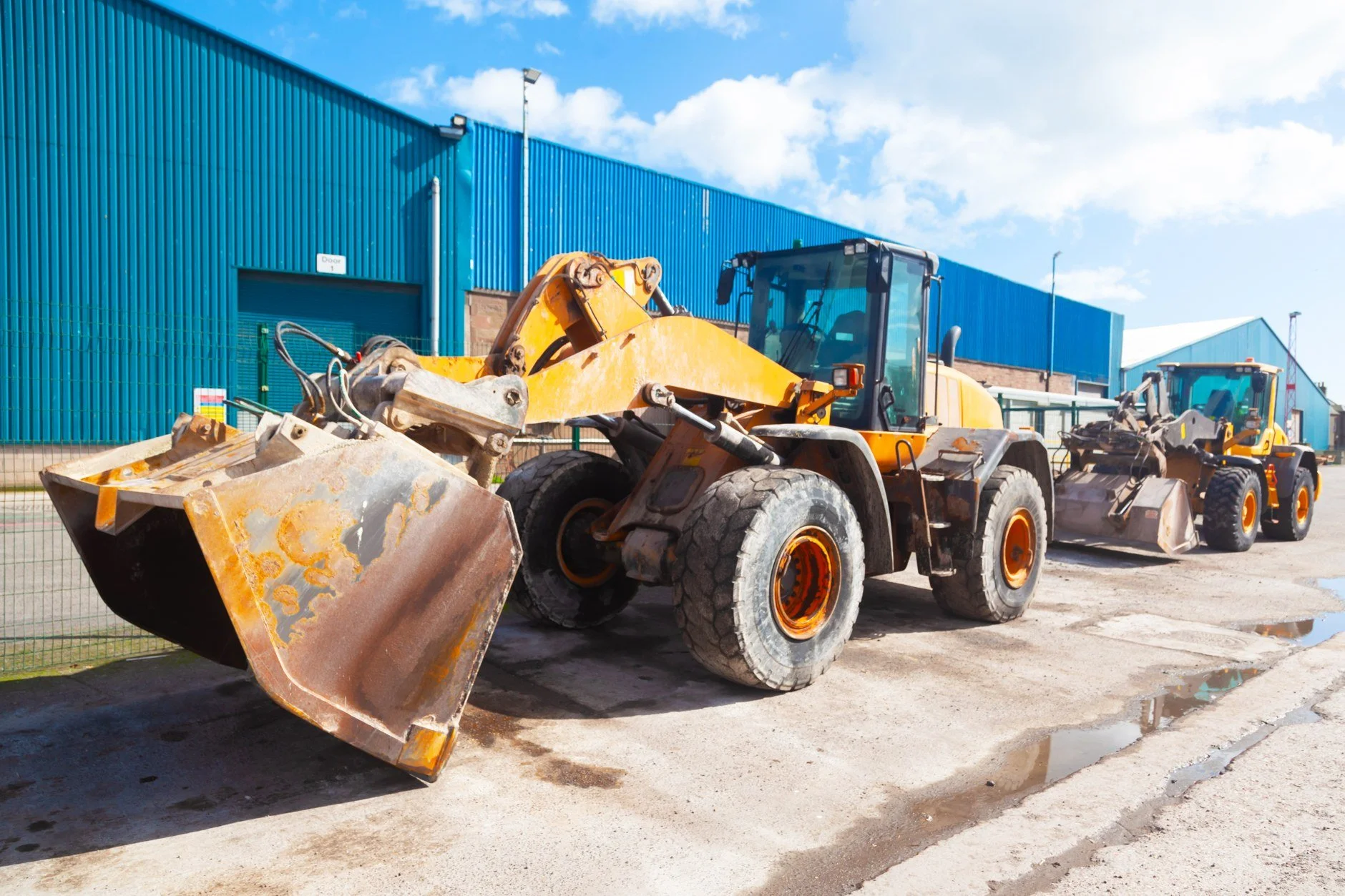
A buyer's pricing method, not a formal valuation: comparable sold prices, the drivers that move plant values, and the arithmetic that turns a priced machine into a maximum hammer bid once the buyer's premium, internet surcharge and VAT are divided out. All figures illustrative.
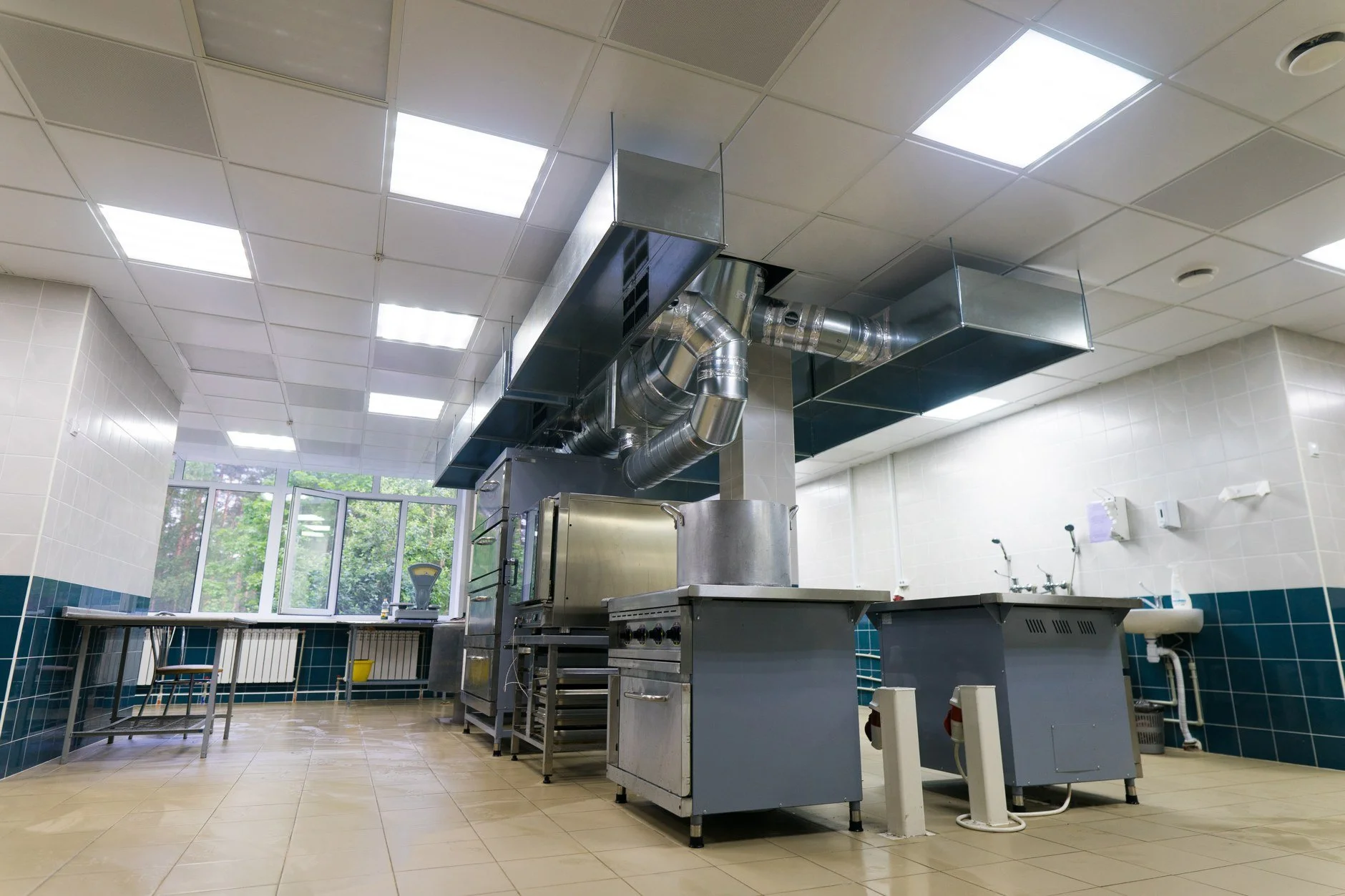
Buying Commercial Catering Equipment from Business Closures at Auction
Closing restaurants, pubs and hotel kitchens put commercial catering equipment on the market, offered lot by lot. What comes up, what gas, electrical and water supplies the equipment needs, who is qualified to install and commission it, and how to work out the full cost including the buyer's premium, internet surcharge and VAT before you bid.
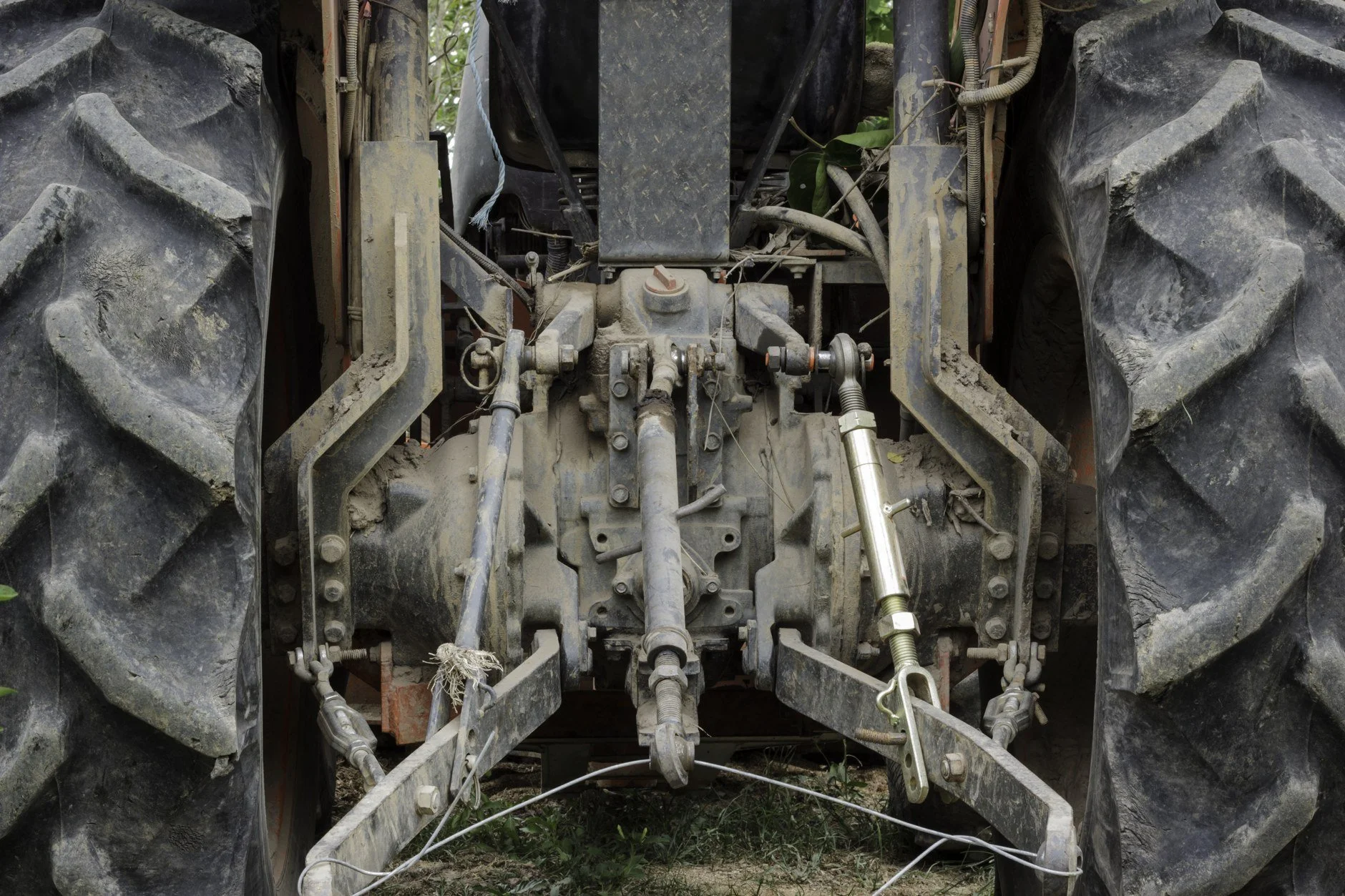
Buying Repossessed and Receivership Farm Machinery at Auction in the UK
Repossessed and receivership farm machinery is often poorly documented. How title and the vendor's authority to sell work on recovered stock, what may be missing from the machine, and how to get it off a farm site. We do not inspect the machinery, and every figure here is illustrative.
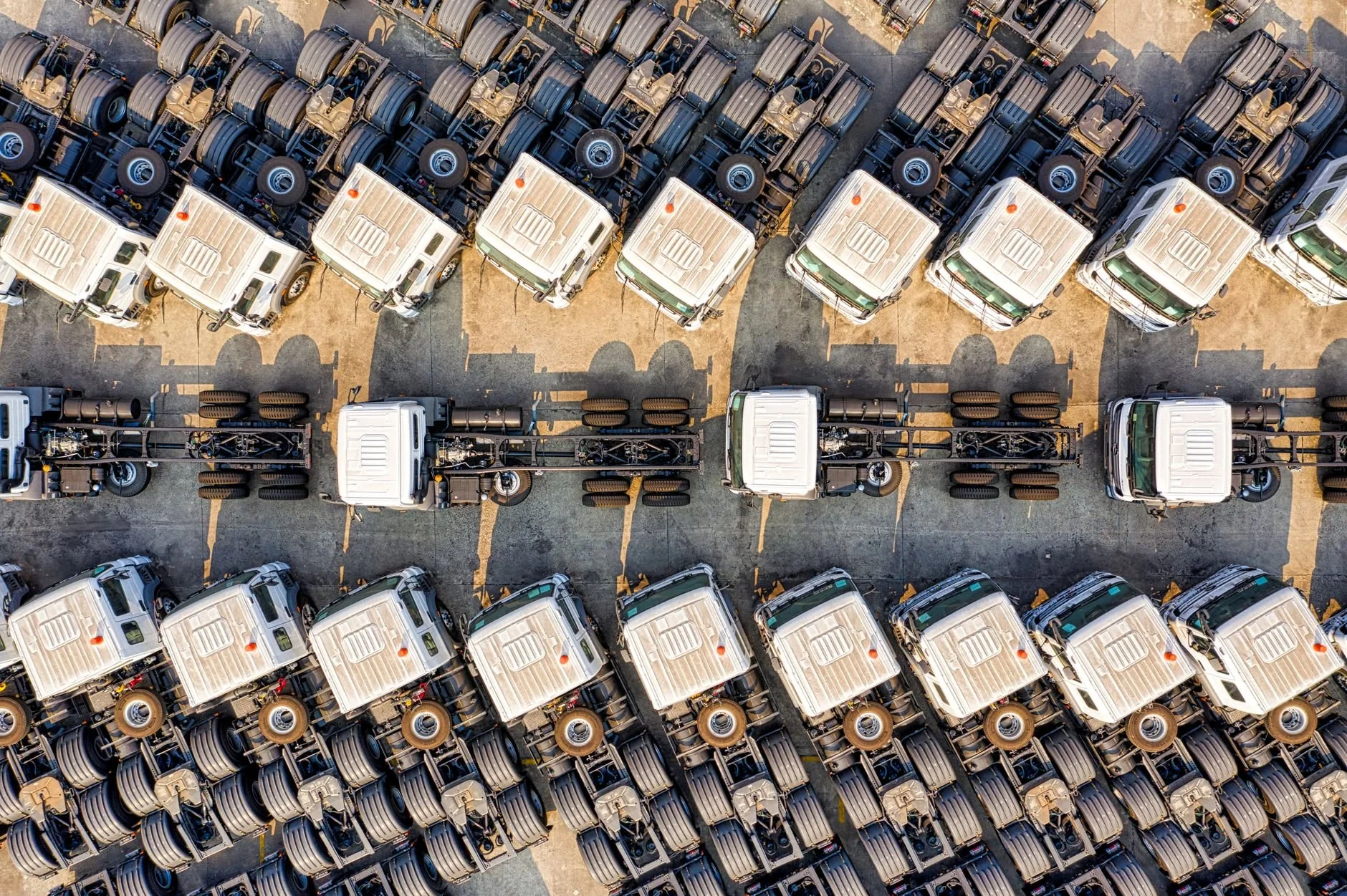
Auction vs Dealer: Buying Commercial Vehicles and Plant Machinery
Auction usually wins on price and choice; a dealer usually wins on warranty and convenience. Here is how the two routes compare for commercial vehicles and plant, and how to decide.
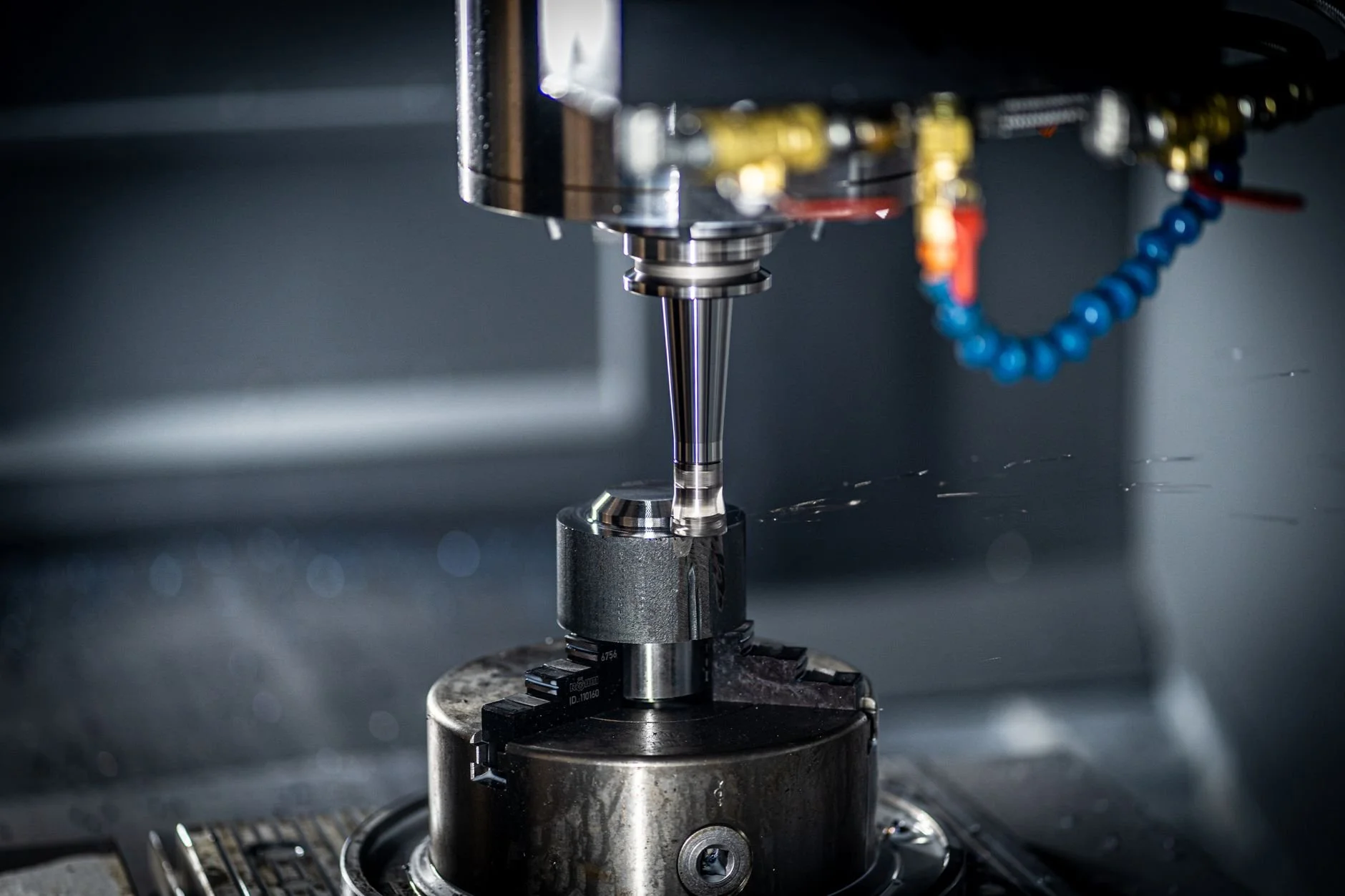
Buying CNC and Workshop Machinery at Auction: What to Check Before You Bid
CNC and workshop machinery sells well at auction when you confirm it powers up, check the spindle, ways and tooling, check the power supply, and budget for removal. Here is what matters before you bid.
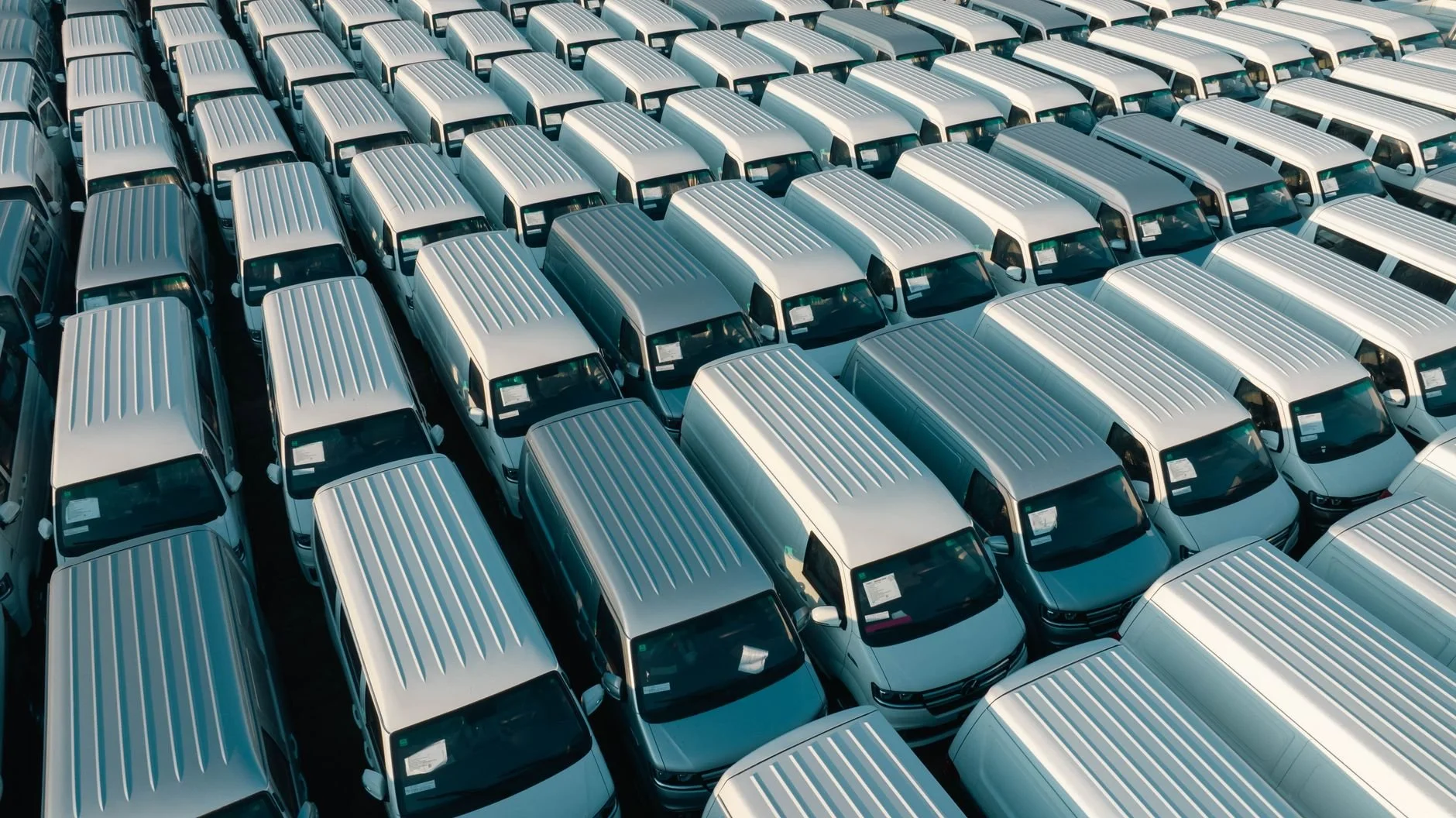
Fleet of Vans and Trucks at Auction: Commercial Vehicle Disposal
How a business, fleet manager or administrator turns retired vans and trucks into cash at auction: choosing the route, what to provide, what you receive, and how settlement works.